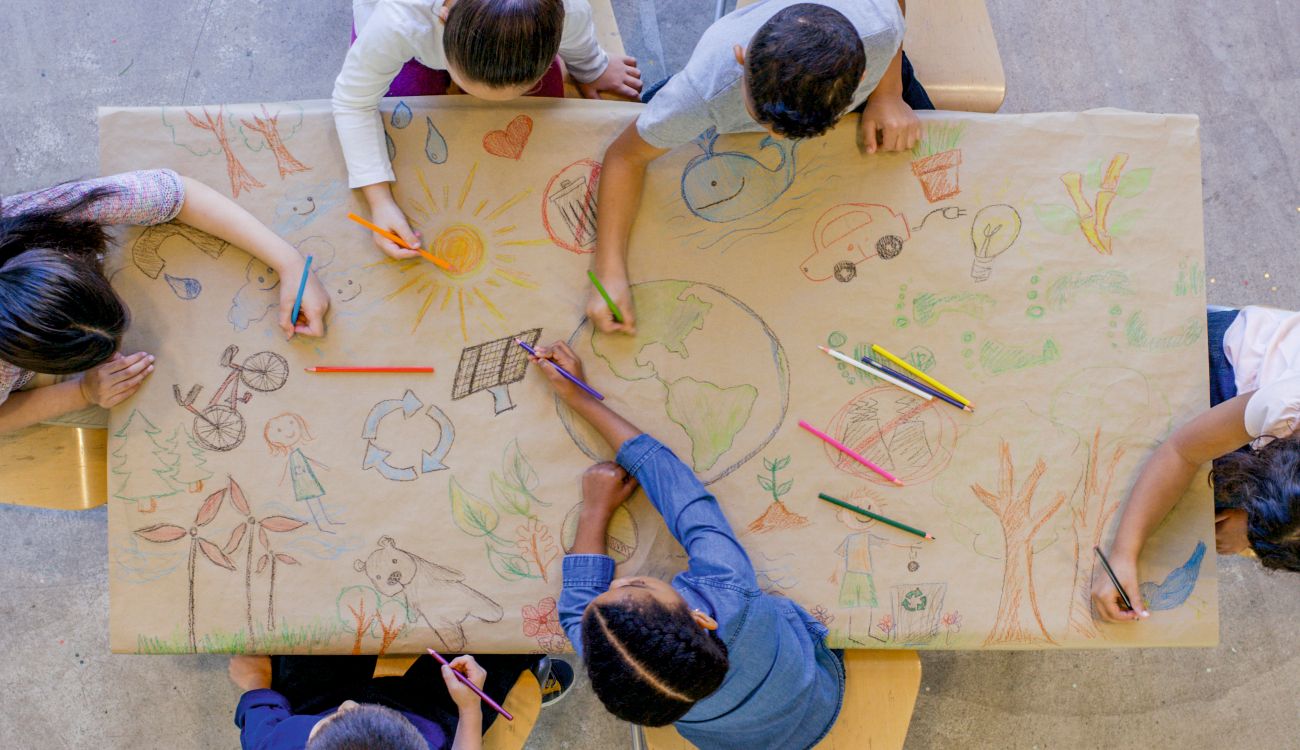
Prioritising joy, safety, and green spaces in every part of the school experience.
| In this article, you’ll explore: ✅ The power of green in everyday learning ✅ Sustainable schools start with simple systems ✅ Climate literacy in classrooms ✅ Safety in green: Designing to protect and nurture ✅ Holistic impact of green campuses ✅ India’s green shifts in schools ✅ Overcoming challenges with green creativity ✅ Green lessons across borders ✅ Parents as partners in green learning |
Picture this: Every morning, students step into a student-friendly campus carrying dreams that deserve room to grow. The light, air, and pathways shape how they learn and feel. A thoughtfully designed environment invites them to pause, play, and learn with joy and purpose.
“Education feels complete when children measure their limits by the sky, not by boundaries.”
Green campus spaces prioritise energy conservation, water efficiency, material reuse, and climate awareness. However, sustainability begins with small, thoughtful steps. When students participate, schools evolve into living ecosystems that nurture mindful, responsible learners.
The power of green in everyday learning
Time spent learning outdoors supports focus, relieves stress, and nurtures meaningful social and emotional connections. Studies indicate that students exposed to green environments display better attention spans and better emotional balance.
The 2020 article Association Between Green Space and Adolescents’ Mental Well-Being highlights that exposure to green spaces is tied to lower stress, better moods, healthier emotions, and improved behaviour in adolescents.
Eco-friendly schools encourage empathy, awareness, and a sense of shared responsibility. These are life values, visible in how students care for their surroundings, collaborate with peers, and connect learning with purpose.
Sustainable schools start with simple systems
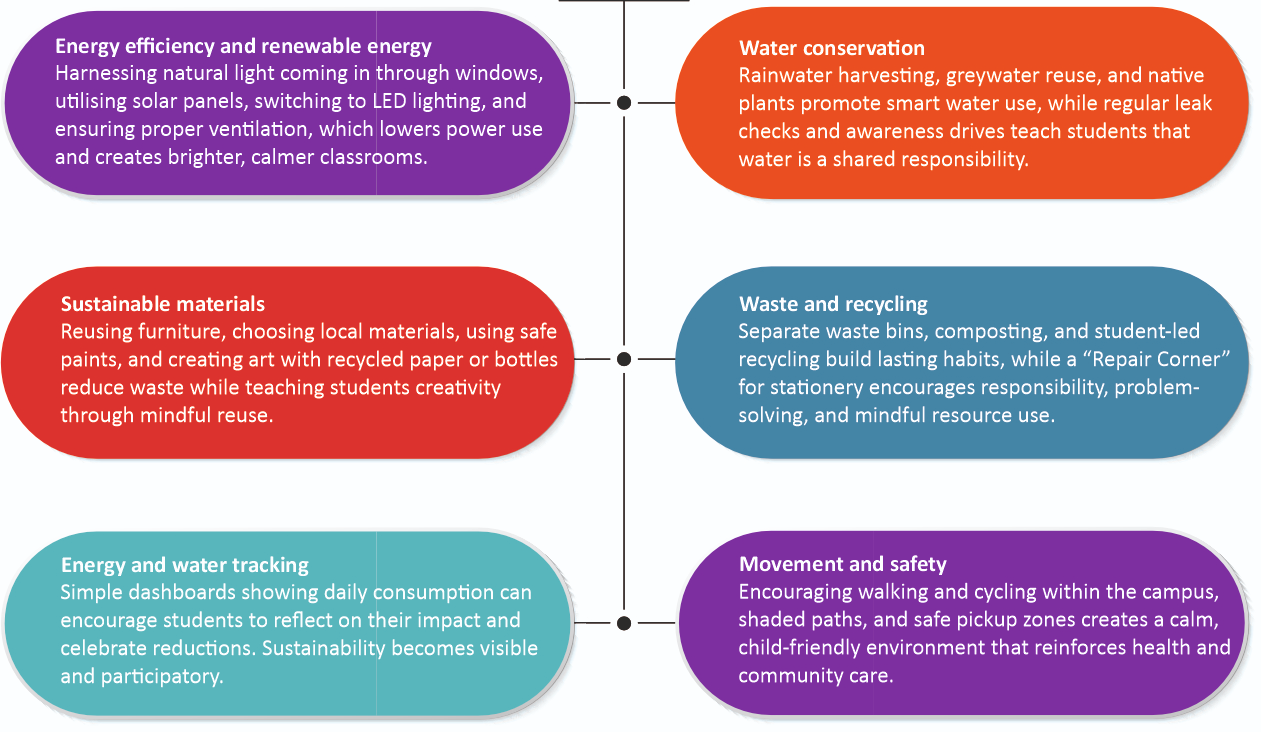
Gardens are essential, but they are only part of what makes a campus sustainable. Eco-friendly schools utilise every corner wisely – well-lit classrooms and efficient water storage and management, which help students learn from these daily choices.
Climate literacy in classrooms
While infrastructure builds sustainability, education ensures continuity. The VIBGYOR Climate Academy, in collaboration with the Global Climate Academy (VGOS), stands as Asia’s first of its kind, empowering students to think critically about climate change, resource use, and sustainable innovation.
The Academy’s modules on renewable energy, biodiversity, and climate justice teach systems thinking – helping students see how small actions shape wider outcomes. They lead audits, conduct projects, and spread awareness, turning theory into real-world impact.
As Kavita Kerawalla, Vice Chairperson of VIBGYOR Group of Schools, writes, “Green campuses remind us that a better tomorrow begins with the small, thoughtful steps we take today.”
Safety in green: Designing to protect and nurture
A true student-friendly campus inspires confidence in every corner. In sustainable design, safety is both structural and emotional – the quiet assurance that children can move, play, and learn freely within spaces that protect without limiting them.
Shaded walkways, naturally lit classrooms, and well-ventilated areas reflect a school’s care for its community. For parents, these elements provide reassurance that safety and sustainability grow together, creating spaces built on trust, visibility, and mindfulness.
Visual pause: Everyday signs of safe green design
- Bright classrooms with ample natural light.
- Play zones that are safely away from vehicle areas.
- Shaded, slip-resistant paths for easy movement.
- Solar-lit walkways that improve safety after dusk.
- Non-toxic materials that ensure healthy indoor air.
Holistic impact of green campuses
A touch of green inside a campus transforms education into a life experience. Students who learn in healthy learning environments show stronger focus, better emotional regulation, and deeper empathy.
| Mental well-being Students surrounded by greenery show a lower risk of psychiatric disorders. A research article revealed that exposure to green spaces during childhood has a 55% reduced risk of mental health issues later in life. |
| Academic focus Students who spend time outdoors tend to retain concepts more effectively. The 2023 Time Outdoors Positively Associates with Academic Performance article states that spending up to 2.3 hours a day outdoors is linked with better outcomes across subjects. |
| Social development Caring for plants builds teamwork and responsibility. In schools, garden tasks like watering or composting help students practice turn-taking, problem-solving, and respectful dialogue. |
This holistic growth explains why eco-friendly schools are increasingly recognised as spaces that prepare children for life as much as for exams.
India’s green shifts in schools
Across India, school sustainability efforts are steadily gaining ground.
- 1,771 government schools in the Ranchi district set up nutrition gardens to promote health and environmental awareness among children under Project Suposhan.
- The National Green Corps Eco Clubs, active in nearly 1,20,000 schools, give students hands-on experience in biodiversity conservation, water management, and energy saving.
- NGOs such as the SELCO Foundation are supporting rural schools with solar lighting and smart labs, proving that sustainability and innovation can coexist and grow side by side.
These initiatives succeed because they make responsibility a lived value, integrated into daily school life and community participation.
Overcoming challenges with green creativity
Even with intent, some schools still encounter challenges: limited space, budgets, or technical expertise. Yet, eco-conscious schools show that solutions often lie in creativity.
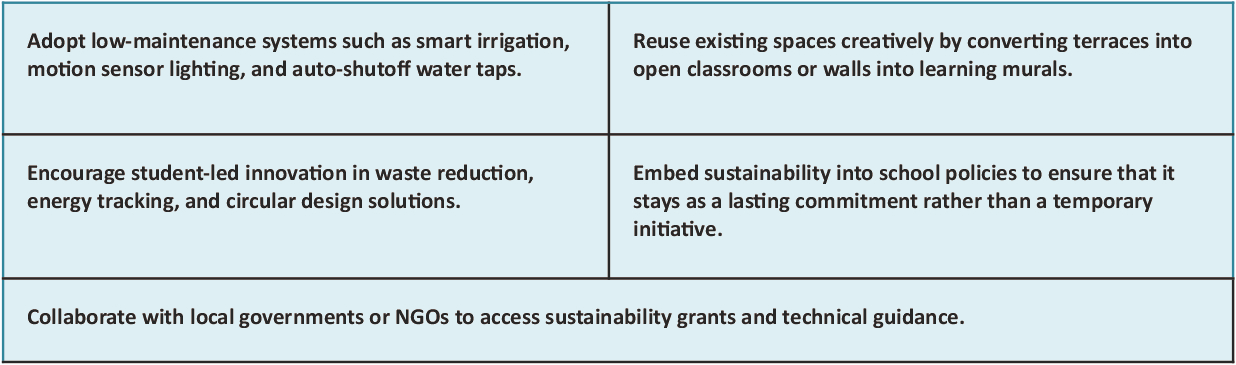
When schools innovate together with students and families, green campus initiatives become a lasting part of their culture.
Green lessons across borders
Around the world, education rooted in nature continues to evolve and inspire.
- Scandinavia (Forest Schools): The concept of Forest Schools originated here, with children spending large parts of their day in outdoor lessons that build resilience and emotional regulation.
- Denmark (Udeskole): Regular “education outside the classroom” days integrate core subjects with nature-based lessons; a national portal in English explains the model and resources.
- New Zealand (Enviroschools): A nationwide, whole-school sustainability journey – students plan, design, and lead projects that reshape their campuses and communities.
- India (Aravalli Biodiversity Park, Gurugram): A community-restored former mining site that now teaches climate awareness and conservation through participatory environmental education.
Parents as partners in green learning
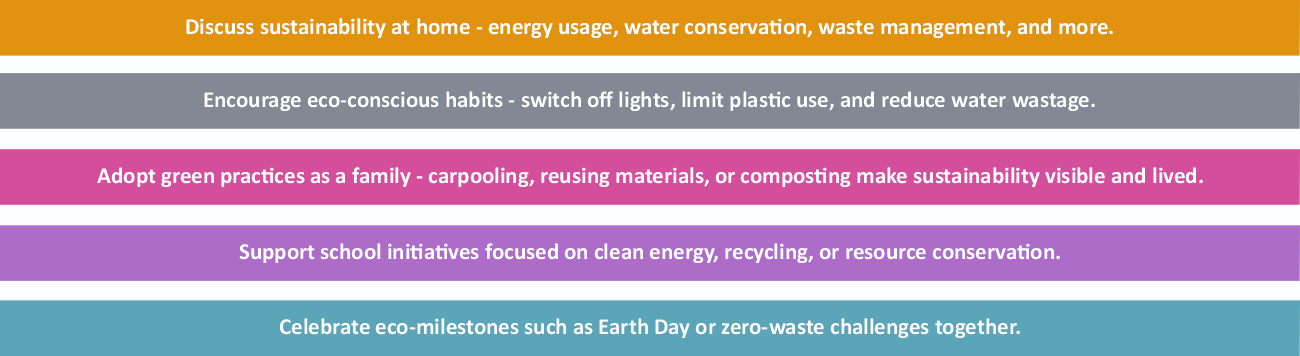
Sustainability thrives when families mirror it at home. Every mindful action – saving energy, reducing waste, reusing resources – turns awareness into habit and reinforces what students learn at school.
A world of growth begins with a touch of green. Schools that embrace green campus initiatives and prioritise student wellness and nature nurture empathy, care, and balance beyond academics. Eco-friendly schools foster healthy learning environments where students thrive and develop into responsible, sustainable, and well-rounded individuals.