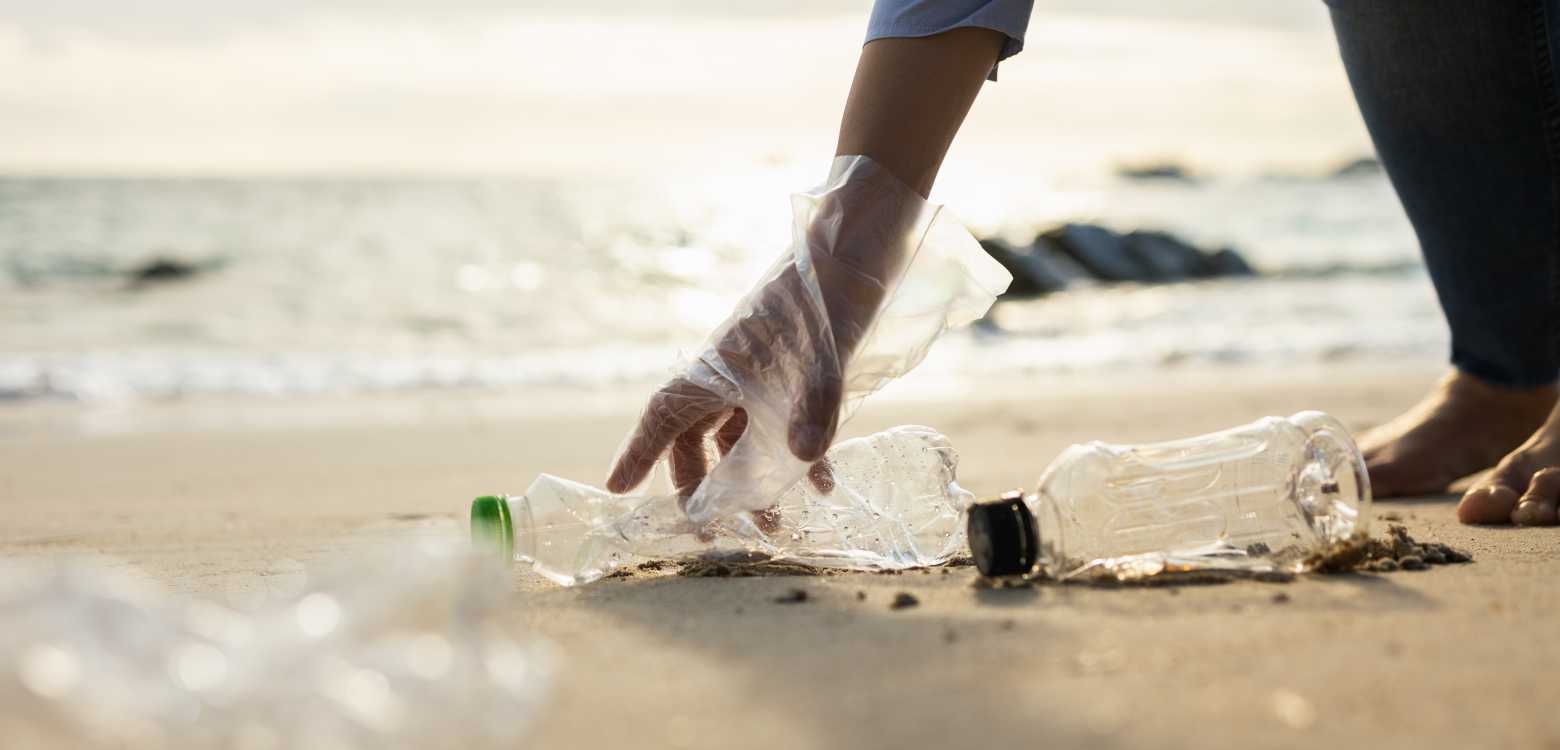
Beneath the Waves, A Call for Change

Loading

Empowering students with the knowledge and tools to protect our oceans, for today and for generations to come.

In this article, you discover:
✅ Why should we care about the ocean?
✅ A silent threat: Ocean acidification
✅ Stemming the tide: The plastic waste reduction
✅ Reviving the ocean’s rainforests: Coral reefs
✅ Travel without a trace: Eco-friendly tourism
✅ Ocean clean-up: Technology to the rescue
✅ Ways to protect the ocean: Starting in schools

Myth: The ocean is too vast to be harmed by human activity.

Reality: The ocean absorbs 30% of global COemissions, and it is reaching a tipping point.

Rising carbon levels are making the ocean increasingly acidic, a process known as ocean acidification. This, in turn, silently disrupts marine life, weakens coral reefs, and erodes the balance of coastal ecosystems. What once felt vast and invincible is now fragile and at risk. This is one of the most urgent reasons why we need to protect our oceans, not only through action but also by spreading awareness at the grassroots level.

Why should we care about the ocean?

Our country has over 7,500 kilometres of coastline that regulates climate, provides livelihoods, and holds cultural and spiritual value. Over three million Indians depend on marine fishing. Yet, marine pollution prevention often slips through the cracks of awareness.

So, when we talk about the reasons why we need to protect our oceans, we are talking about the air we breathe, the food we eat, and the future we build.

“The sea is a mirror. What we throw at it, we see again – in our food, air, and our lives.”

A silent threat: Ocean acidification

Imagine placing seashells or eggshells in a glass of fizzy soda. Over time, they lose their shine and crumble. That’s precisely what carbon dioxide does to the ocean. The CO2  dissolves into seawater, causing ocean acidification, which weakens corals, shellfish, and eventually the entire food chain.

Around the world, ocean acidification is eroding coral strength in the Caribbean as well as in the cold-water reefs off Scotland and Norway. The Great Barrier Reef too faces this growing threat; its living coral cover has dropped by nearly half in the last thirty years, weakening the overall resilience of the reef ecosystem.

Stemming the tide: The plastic waste reduction

As per the 2020 Implementation of Plastic Waste Management Rules annual report, India generates nearly 3.5 million tonnes of plastic waste annually. A staggering chunk of this enters the ocean through rivers like the Ganga and Yamuna.

In 2022, the government banned single-use plastics such as straws and cutlery. But policy alone cannot solve the crisis.

In fact, students of Subbiah Vidyalayam Girls Higher Secondary School in Thoothukudi, Tamil Nadu, gathered 20,000 food wrappers in two weeks and sent them back to the manufacturer, offering a hands-on lesson in plastic waste reduction.
Reviving the ocean’s rainforests: Coral reefs

In India, reefs in Lakshadweep and the Gulf of Mannar provide storm protection, fish nurseries, and tourism value. However, rising sea temperatures and pollution are making them fade into silence.

The coral restoration project carried out between 2002 and 2024 in the Gulf of Mannar involved the transplantation of over 51,000 coral fragments, representing 20 native coral species with diverse growth forms. Such initiatives strengthen marine resilience and highlight ways to save the ocean.

“We need to respect the ocean and take care of it as if our lives depended on it. Because they do.” – Sylvia Earle

Travel without a trace: Eco-friendly tourism

Who doesn’t love a vacation – the pristine beaches or the serene mountains? But tourism, when unchecked, damages fragile ecosystems.

To counter the impact of tourism on fragile ecosystems, Kerala has pioneered Responsible Tourism, urging visitors to stay in eco-certified homestays, eat local, and respect protected “no-go” zones, making travel supportive of both communities and nature. Meanwhile, Sikkim – India’s first fully organic state – has adopted eco-friendly beach travel and sustainability. A powerful example of this ethos came from two Danish tourists who were filmed diligently collecting litter along the road to Yumthang Valley. This gesture sparked viral conversations about responsible tourism. Similarly, Ripu Daman Bevli, known as the “Plogman of India”, and Garvita  Gulhati, founder of the Why Waste? initiative are inspiring communities towards cleaner and more sustainable lifestyles.

Global lesson: In 2018, the Philippines shut down Boracay Island for six months to rehabilitate it from overtourism – a lesson India must learn before it is too late.

Ocean clean-up: Technology to the rescue

We often see so many viral videos of the ocean clean-ups happening internationally, but India is innovating, too. Slowly yet gradually, ocean clean-up technologies are becoming powerful tools, for example:

Why it matters: These projects show that innovation doesn’t require grand labs; it begins with ingenuity, local commitment, and a problem-solving mindset.

………………………………………………………………………………………………………

Student: “Ma’am, why don’t we go to the beach for class trips anymore?”

Teacher: Because it is dirty…not safe and hygienic.”

Student: “Then who will clean it?”

Teacher: A long pause…

 ………………………………………………………………………………………………………

Ways to protect the ocean: Starting in schools

Every ocean-saving movement begins with awareness. And where better to spark that awareness about ocean literacy education than in schools, where the next generation learns to act before it is too late?

Ocean hour: Dedicated one class a month to marine life, conservation, and student projects.Student clean-up drives: Organise drives around lakes, ponds, or beaches, and track the waste collected.
Green partnerships: Invite NGOs, marine experts, or divers to share real-world stories with students.Creative storytelling: Organise debates, plays, and poetry sessions on themes like “If Oceans Could Speak”.
Adopt a water body: Own a local pond or stream, monitor its health, and raise awareness in the community.

VIBGYOR Group of Schools: Building responsible global citizens

From local clean-ups to global dialogues, students at VIBGYOR Group of Schools are championing ocean protection.

VIBGYOR Students’ Social Responsibility Cell (V-SSRC)

V-SSRC has been actively engaged in beach clean-up activities, weaving environmental action into student life. These drives not only restore coastal spaces but also instil a sense of ownership, showing students that protecting the planet begins with simple, hands-on steps in their communities.

Oceans Are Us program at VIBGYOR MUN

At the 12th VIBGYOR Model United Nations Conference, students explored the theme of UN Sustainable Development Goal 14: Life Below Water while supporting The Jane Goodall Institute’s “Oceans Are Us” program. This gave them the opportunity to voice perspectives on marine conservation before a global audience.

12th Model United Nations Conference Protecting our oceans is not a distant responsibility but an urgent call that demands attention in every shoreline community and classroom. From coral reefs in Lakshadweep to the rivers flowing into the Bay of Bengal, the health of our waters mirrors the decisions we make each day. By empowering students through ocean literacy education, supporting marine pollution prevention, and encouraging sustainable practices, we are restoring marine ecosystems and preparing a generation that understands its role as custodians of the planet.

5 WAYS TO GAMIFY ENVIRONMENTAL EDUCATION

Loading

Environmental education is crucial for building a sustainable future, but traditional methods can sometimes feel boring. Here’s where gamification comes in! Gamification, the application of game-design elements in non-game contexts, offers a dynamic and engaging approach to teaching these important concepts. By integrating game elements such as interactive simulations, point systems, and narrative-driven quests, educators can enhance student engagement while deepening students’ understanding of ecological concepts. Moreover, gamification fosters a sense of achievement in students that encourages them to continue learning.

Here are five creative and effective ways to gamify environmental education:

  1. Eco-Quests and Challenges

Concept: Transforming lessons into adventurous quests can capture students’ imaginations and motivate them to learn more about environmental issues.

Implementation: Creating a series of eco-themed quests where students must solve environmental puzzles or complete tasks. These tasks include identifying local plant species, understanding waste segregation, or finding solutions to reduce carbon footprints in their community. Incorporating technology through mobile apps or QR codes that provide clues and track progress.

Benefits: Eco-quests foster teamwork, critical thinking, and practical application of environmental knowledge. They also encourage students to explore their surroundings and connect with nature.

  1. Environmental Simulation Games

Concept: Using simulation games to model complex environmental systems and scenarios.

Implementation: Games like SimCity, but with a focus on sustainability, allow students to manage a virtual city where they must balance economic growth with environmental conservation. Alternatively, custom-built games can simulate specific ecosystems where players must make decisions to maintain biodiversity, manage resources, or respond to environmental crises.

Benefits: Simulation games provide a hands-on learning experience about the consequences of environmental decisions. They help students understand the interconnectedness of ecological systems and the impact of human activities on these systems.

  1. Green Points System

Concept: Introduce a points-based reward system that designates the winner as the Eco-Champion, encouraging environmentally friendly behaviours.

Implementation: Creating a classroom or school-wide system where students earn points for activities like recycling, reducing energy usage, participating in clean-up drives, or completing environmental projects. Points can be tracked on a leaderboard, and rewards can include eco-friendly prizes or privileges.

Benefits: This approach incentivises positive behaviour and instils habits that contribute to environmental sustainability. It also fosters a sense of healthy competition and community involvement.

  1. Interactive Storytelling and Role-Playing

Concept: Engaging students through interactive storytelling and role-playing games that highlight environmental challenges.

Implementation: Teachers can develop storylines where students take on roles such as environmental scientists, policymakers, or activists. Through role-playing, they can navigate scenarios like negotiating climate agreements, managing a wildlife reserve, or campaigning for green policies. Use multimedia resources to enhance the storytelling experience.

Benefits: Role-playing and storytelling can make abstract or complex environmental issues more relatable and understandable. It also allows students to empathise with different perspectives and understand the real-world impact of environmental decisions.

  1. Eco-Friendly Competitions and Tournaments

Concept: Utilising VR and AR technologies to create immersive learning experiences about the environment.

Implementation: Using VR headsets to take students on virtual field trips to diverse ecosystems such as rainforests, coral reefs, or arctic landscapes. AR apps can overlay environmental information onto real-world settings, allowing students to see the impact of pollution or deforestation in their own neighbourhoods.

Benefits: VR and AR provide engaging and immersive experiences that can make learning about the environment exciting and memorable. They offer unique opportunities for students to explore places and phenomena that are otherwise inaccessible.

Conclusion
By incorporating these gamified strategies into the environmental education curriculum, educators can create an engaging and dynamic learning experience that motivates students to actively participate in protecting and preserving our planet. These approaches not only make learning fun but also instil a sense of responsibility and empowerment in students as they become more eco-conscious citizens.

Admissions are open for AY 2025-26 at VIBGYOR Group of Schools.

5 trends in nature-based learning for young children

Loading

Nature-based learning, also known as outdoor education or outdoor learning, is increasingly being recognised as a transformative approach to early education. Here’s how it’s making an impact:

In an era where children are increasingly glued to screens and indoor activities, there has been a notable resurgence in outdoor education, particularly in early childhood settings. Outdoor education broadly refers to a range of organised activities that predominantly take place outside the four walls of a classroom. Here, the environment plays the role of the ‘third teacher’. From encouraging children to participate in extra- and co-curricular activities to going on field trips and treks, these help nurture their holistic development. This trend reflects a growing recognition of the immense benefits that nature-based learning offers to young minds.

Furthermore, outdoor education is predicated on the philosophy of play and playfulness, which has connections to key competencies such as the development of thinking and learning (cognitive) skills, problem-solving abilities, self-regulation, and collaborative work.

Aanchal Vasandani, Vice President Content, VIBGYOR Group of Schools has shared five emerging trends in nature-based learning for young children and ten innovative practices in social-emotional learning within early childhood education.

1. NATURE IMMERSION

Nature is the ultimate classroom for early childhood development and educators are recognising the colossal benefits of immersing young children in nature. Outdoor education and nature-based learning ignite children’s innate curiosity and sense of wonder. Nature-based learning not only fosters a deep connection with the environment, but also enhances sensory awareness, creativity, and personal, social, and environmental growth, through experiential learning.

2. ENVIRONMENTAL STEWARDSHIP

Schools are incorporating reformative practices to instill connection and commitment to the environment from a young age. Children engage in activities like gardening, composting, and wildlife conservation, fostering a sense of respect and care for the planet (i.e. environmental awareness and sustainability).

3. ADVENTURE-BASED LEARNING

Activities, such as hiking and camping, provide opportunities for children to challenge themselves, collaborate with peers, and build resilience. These experiences promote physical fitness, risk-taking abilities, and teamwork. It also allows children to connect with the world around them, not through a screen, but through their senses and imagination.

4. NATURE-INSPIRED CURRICULUM

Integrating nature into the curriculum across subjects like science, art, and language arts promotes interdisciplinary learning. Through hands-on experiences and observation, children develop a deeper understanding of ecological concepts and a sense of wonder about the natural world.

5. NATURE-BASED STORYTELLING

Nature-based storytelling activities promote children’s interaction with the natural environment through literature and imaginative play. Reading nature-themed books, forming outdoor story circles, and acting out stories in natural settings help children develop language skills, creativity, and a deeper connection to the environment.

The rise of outdoor education reflects a growing recognition of the importance of nature in children’s lives. By embracing this approach, we as educators not only prepare our children for academic success, but they also develop a profound association with the natural world, as they become responsible environmental ambassadors.

Article published on India Today

Check out VIBGYOR Group of Schools’ Nature club that works towards developing sensitivity and sensibility towards nature.


Top