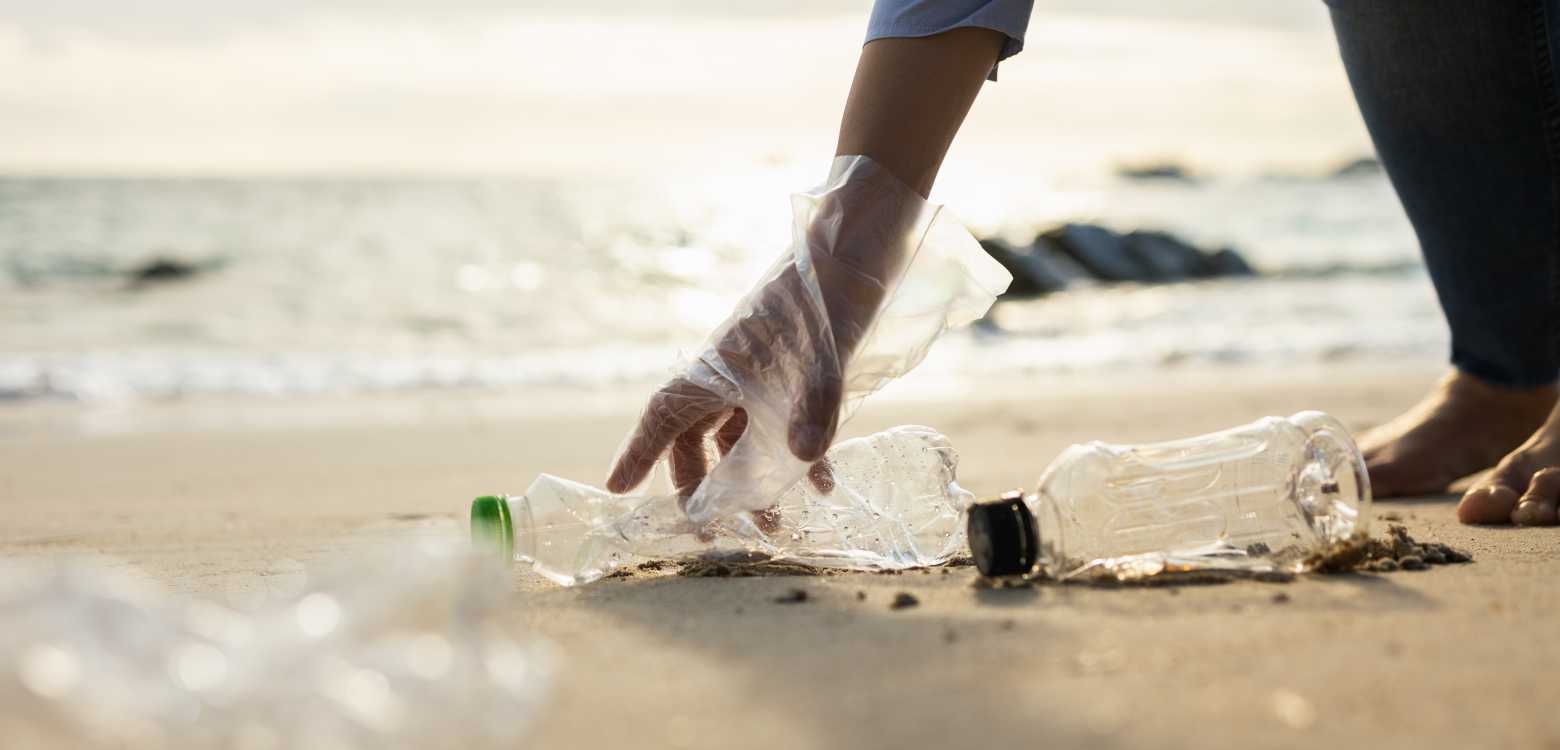
Empowering students with the knowledge and tools to protect our oceans, for today and for generations to come.
| In this article, you discover: ✅ Why should we care about the ocean? ✅ A silent threat: Ocean acidification ✅ Stemming the tide: The plastic waste reduction ✅ Reviving the ocean’s rainforests: Coral reefs ✅ Travel without a trace: Eco-friendly tourism ✅ Ocean clean-up: Technology to the rescue ✅ Ways to protect the ocean: Starting in schools |
Myth: The ocean is too vast to be harmed by human activity.
Reality: The ocean absorbs 30% of global CO2 emissions, and it is reaching a tipping point.
Rising carbon levels are making the ocean increasingly acidic, a process known as ocean acidification. This, in turn, silently disrupts marine life, weakens coral reefs, and erodes the balance of coastal ecosystems. What once felt vast and invincible is now fragile and at risk. This is one of the most urgent reasons why we need to protect our oceans, not only through action but also by spreading awareness at the grassroots level.
Why should we care about the ocean?
Our country has over 7,500 kilometres of coastline that regulates climate, provides livelihoods, and holds cultural and spiritual value. Over three million Indians depend on marine fishing. Yet, marine pollution prevention often slips through the cracks of awareness.
So, when we talk about the reasons why we need to protect our oceans, we are talking about the air we breathe, the food we eat, and the future we build.
“The sea is a mirror. What we throw at it, we see again – in our food, air, and our lives.”
A silent threat: Ocean acidification
Imagine placing seashells or eggshells in a glass of fizzy soda. Over time, they lose their shine and crumble. That’s precisely what carbon dioxide does to the ocean. The CO2 dissolves into seawater, causing ocean acidification, which weakens corals, shellfish, and eventually the entire food chain.
Around the world, ocean acidification is eroding coral strength in the Caribbean as well as in the cold-water reefs off Scotland and Norway. The Great Barrier Reef too faces this growing threat; its living coral cover has dropped by nearly half in the last thirty years, weakening the overall resilience of the reef ecosystem.

Stemming the tide: The plastic waste reduction
As per the 2020 Implementation of Plastic Waste Management Rules annual report, India generates nearly 3.5 million tonnes of plastic waste annually. A staggering chunk of this enters the ocean through rivers like the Ganga and Yamuna.
In 2022, the government banned single-use plastics such as straws and cutlery. But policy alone cannot solve the crisis.
In fact, students of Subbiah Vidyalayam Girls Higher Secondary School in Thoothukudi, Tamil Nadu, gathered 20,000 food wrappers in two weeks and sent them back to the manufacturer, offering a hands-on lesson in plastic waste reduction.
Reviving the ocean’s rainforests: Coral reefs
In India, reefs in Lakshadweep and the Gulf of Mannar provide storm protection, fish nurseries, and tourism value. However, rising sea temperatures and pollution are making them fade into silence.
The coral restoration project carried out between 2002 and 2024 in the Gulf of Mannar involved the transplantation of over 51,000 coral fragments, representing 20 native coral species with diverse growth forms. Such initiatives strengthen marine resilience and highlight ways to save the ocean.
“We need to respect the ocean and take care of it as if our lives depended on it. Because they do.” – Sylvia Earle
Travel without a trace: Eco-friendly tourism
Who doesn’t love a vacation – the pristine beaches or the serene mountains? But tourism, when unchecked, damages fragile ecosystems.
To counter the impact of tourism on fragile ecosystems, Kerala has pioneered Responsible Tourism, urging visitors to stay in eco-certified homestays, eat local, and respect protected “no-go” zones, making travel supportive of both communities and nature. Meanwhile, Sikkim – India’s first fully organic state – has adopted eco-friendly beach travel and sustainability. A powerful example of this ethos came from two Danish tourists who were filmed diligently collecting litter along the road to Yumthang Valley. This gesture sparked viral conversations about responsible tourism. Similarly, Ripu Daman Bevli, known as the “Plogman of India”, and Garvita Gulhati, founder of the Why Waste? initiative are inspiring communities towards cleaner and more sustainable lifestyles.

Global lesson: In 2018, the Philippines shut down Boracay Island for six months to rehabilitate it from overtourism – a lesson India must learn before it is too late.
Ocean clean-up: Technology to the rescue
We often see so many viral videos of the ocean clean-ups happening internationally, but India is innovating, too. Slowly yet gradually, ocean clean-up technologies are becoming powerful tools, for example:
- Bengaluru-based AlphaMERS Ltd. has installed Floating Trash Barriers (FTBs) on rivers such as Cooum in Chennai and Musi in Hyderabad, preventing tonnes of plastic from reaching the sea.
- In the Ganga and Yamuna, high-tech trash skimmers now clear floating debris, including flowers, plastic, clothing, and puja waste, across stretches of up to four kilometres, removing nearly 15 tonnes a day during the Kumbh Mela.
Why it matters: These projects show that innovation doesn’t require grand labs; it begins with ingenuity, local commitment, and a problem-solving mindset.
………………………………………………………………………………………………………
Student: “Ma’am, why don’t we go to the beach for class trips anymore?”
Teacher: Because it is dirty…not safe and hygienic.”
Student: “Then who will clean it?”
Teacher: A long pause…
………………………………………………………………………………………………………
Ways to protect the ocean: Starting in schools
Every ocean-saving movement begins with awareness. And where better to spark that awareness about ocean literacy education than in schools, where the next generation learns to act before it is too late?
| Ocean hour: Dedicated one class a month to marine life, conservation, and student projects. | Student clean-up drives: Organise drives around lakes, ponds, or beaches, and track the waste collected. |
| Green partnerships: Invite NGOs, marine experts, or divers to share real-world stories with students. | Creative storytelling: Organise debates, plays, and poetry sessions on themes like “If Oceans Could Speak”. |
| Adopt a water body: Own a local pond or stream, monitor its health, and raise awareness in the community. | |
VIBGYOR Group of Schools: Building responsible global citizens
From local clean-ups to global dialogues, students at VIBGYOR Group of Schools are championing ocean protection.
VIBGYOR Students’ Social Responsibility Cell (V-SSRC)
V-SSRC has been actively engaged in beach clean-up activities, weaving environmental action into student life. These drives not only restore coastal spaces but also instil a sense of ownership, showing students that protecting the planet begins with simple, hands-on steps in their communities.
Oceans Are Us program at VIBGYOR MUN
At the 12th VIBGYOR Model United Nations Conference, students explored the theme of UN Sustainable Development Goal 14: Life Below Water while supporting The Jane Goodall Institute’s “Oceans Are Us” program. This gave them the opportunity to voice perspectives on marine conservation before a global audience.
12th Model United Nations Conference Protecting our oceans is not a distant responsibility but an urgent call that demands attention in every shoreline community and classroom. From coral reefs in Lakshadweep to the rivers flowing into the Bay of Bengal, the health of our waters mirrors the decisions we make each day. By empowering students through ocean literacy education, supporting marine pollution prevention, and encouraging sustainable practices, we are restoring marine ecosystems and preparing a generation that understands its role as custodians of the planet.